
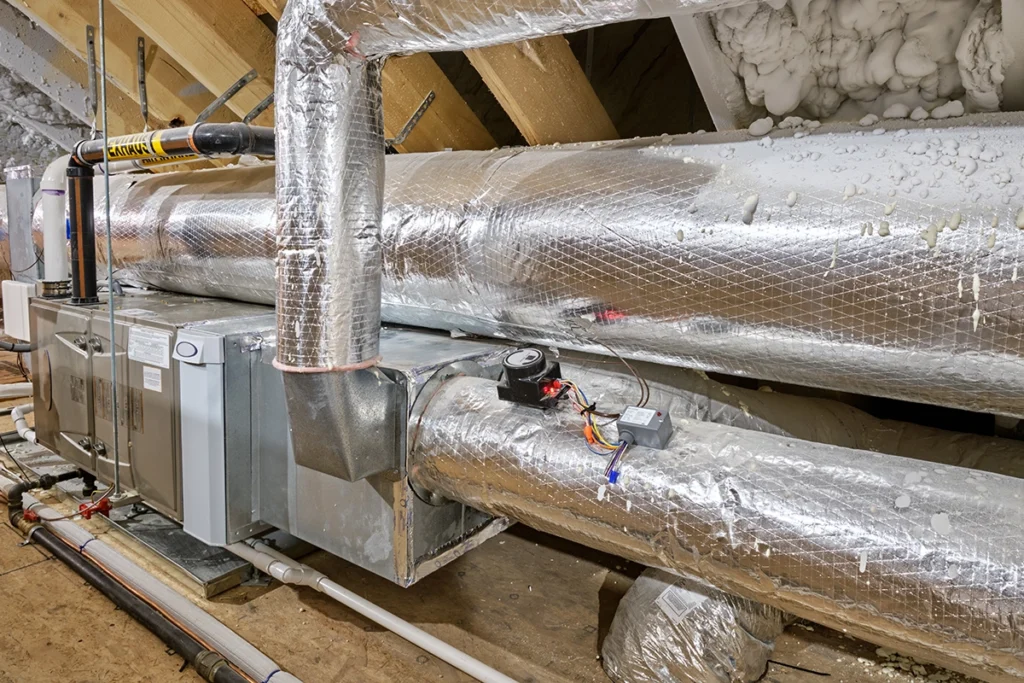
When your air handler capacitor is bulging and preventing the fan from running in Vacherie LA, you’re facing a component failure triggered by upstream stress. Capacitors don’t simply age out and swell; they fail because something in your system is forcing them beyond their design limits. Along the Gulf, voltage surges during storms are common culprits. Heat buildup from restricted airflow—whether from a clogged filter, blocked return grille, or dirty coil—also damages these parts. A struggling blower motor that draws excessive current will overheat the capacitor it relies on. In our humid climate, moisture intrusion can corrode internal connections and accelerate breakdown. Homeowners often replace the bulging part and assume the problem is solved. Yet without identifying what killed the first capacitor, the new one inherits the same damaging conditions. Within weeks, you’re back to square one, or worse—the underlying issue takes out the motor or compressor next.
Root Causes Behind a Swollen Capacitor in Your Vacherie Air Handler
A bulging capacitor signals internal failure. The casing swells as dielectric fluid inside breaks down under heat and stress. Rarely does a capacitor fail because it simply reached the end of its service life. More often, electrical supply irregularities, chronic overheating, or mechanical strain upstream forces the component to operate outside its rated capacity. When your air handler capacitor is bulging and preventing the fan from running in Vacherie LA, the bulge is a symptom, not the disease. Replacing the part without diagnosing the root cause guarantees repeat failures. According to the Department of Energy, routinely replacing or cleaning air filters can lower an air conditioner’s energy consumption by 5 to 15 percent.
Electrical supply problems are especially common in St. James Parish. Voltage inconsistencies during peak demand or after summer storms send damaging surges through your air handler. Restricted airflow from clogged filters, blocked return vents, or dirty evaporator coils forces the blower motor to work harder and run hotter. That excess heat radiates to the capacitor. Refrigerant pressure imbalances—often from a slow leak—cause the compressor to cycle more frequently, stressing the start capacitor with every ignition. Frequent short-cycling compounds the problem. Each start draws a surge of current, and repeated cycles weaken the capacitor’s internal chemistry. In Vacherie’s humid climate, poor drainage can cause the air handler to run longer than necessary to manage indoor moisture. Extended run times generate excess heat inside the cabinet, accelerating capacitor degradation.
When we respond to a bulging capacitor, we first inspect the electrical supply at the disconnect and the control board. Then we measure refrigerant pressures and check the blower wheel and housing for buildup. We also test motor windings for resistance and verify contactor condition. That diagnostic work identifies what damaged the capacitor in the first place. Replacing the part without addressing the cause sets you up for another failure, and possibly burned-out blower motor next time.
Upstream Stressors That Damage Your Fan Capacitor
A bulging capacitor is never the actual problem—it’s the visible result of something upstream that overstressed the component until it failed. Most homeowners in Vacherie assume replacing the capacitor will restore normal operation. Yet when we respond to these calls, we consistently find other factors at work. Voltage irregularities, blocked airflow, or chronic overheating damaged the part initially. If you only swap the capacitor without addressing the root cause, the new one will bulge and fail again within weeks. Many residents experience repeated breakdowns because the true cause of their air handler capacitor bulging and preventing fan from running in Vacherie LA was never properly identified.
Several conditions can damage a capacitor and cause it to bulge:
- Voltage problems: When your electrical supply delivers inconsistent or excessive voltage during summer storms or when your utility grid is under heavy load, the capacitor absorbs the surge and overheats. The dielectric fluid inside expands. It pushes the casing outward until it bulges.
- Restricted airflow: A clogged filter, blocked return vent, or dirty evaporator coil forces your fan motor to work harder and run hotter. The capacitor that starts and sustains that motor overheats in response.
- Low refrigerant levels: Often from a leak, low refrigerant causes the compressor to cycle more frequently. Each start draws a surge of current through the capacitor. Over time, those repeated stress cycles weaken the component. The casing swells and the fan stops running.
A technician will measure the voltage at your air handler before recommending a fix. We inspect your airflow path for obstructions and test refrigerant levels and pressures. When we assess a bulging capacitor, we’re looking for what killed it. We’re not just looking for what part to order. That’s the only way to prevent the next failure and protect your investment in a complete repair.
The Hidden Risks of Replacing Only the Capacitor
When a bulging capacitor gets swapped out without identifying why it failed, the new part inherits the same conditions that damaged the first one. If restricted airflow from a clogged filter or blocked return vent caused the fan motor to overheat and stress the capacitor, the replacement will face that same strain the moment the system starts. If voltage spikes or fluctuations from an unstable electrical supply weakened the original capacitor, the new one experiences those same damaging surges. Within weeks or months, you’re back to square one with another failed part and an air handler that won’t run. Homeowners across Vacherie who skip the diagnostic step often find themselves repeatedly dealing with air handler capacitor bulging and preventing fan from running in Vacherie LA because the real problem was never solved.
The larger risk is escalation. A capacitor stores electrical energy needed to start and run the compressor and fan motor. When it bulges or weakens, the motor works harder to compensate. If the root cause remains, that overworked motor may burn out completely. What begins as a relatively straightforward capacitor issue can turn into a costly motor replacement or even full air-handler failure. Refrigerant imbalances, duct leaks, and aging contactors can all push a capacitor beyond its rating. Each of those problems quietly continues damaging other components while you wait for the next breakdown.
When we respond to a capacitor failure, we trace the problem upstream. We check voltage at the disconnect and measure airflow across the coil. We inspect the motor windings for heat damage and test the contactor and wiring. That diagnostic step protects your investment and prevents the cycle of replacing the same part over and over.
Comprehensive Diagnosis Protects Your Air Handler Investment
When you see a bulging capacitor, it’s easy to assume that swapping the part will solve the problem. In reality, a failed capacitor almost always points to a larger issue somewhere in your air handler or electrical system. If you replace the capacitor without addressing what caused it to fail, you’ll likely see the same symptom again within weeks or months. Alternatively, you may face a more expensive breakdown when another component gives out under the same strain. Throughout St. James Parish, we’ve seen countless cases where issues with air handler capacitor bulging and preventing fan from running in Vacherie LA were temporarily masked by quick part replacements, only to return with greater damage later.
We perform a complete system inspection before we touch any parts. Our technicians measure voltage at the unit to catch supply problems. We check the fan motor’s amp draw to identify bearing wear or winding damage. We test the contactor and relays for pitting or poor contact, then verify airflow across the coil. We also inspect the condensate system for clogs that can trigger safety shutoffs. When the symptom suggests a compressor or expansion issue, we review refrigerant pressures as well. Finally, we check the condition of other electrical components that share the same circuit. This step-by-step approach finds the root cause so the repair lasts.
As fall settles in across Vacherie, your air handler may still be running daily to manage humidity and keep indoor air comfortable. Now is a smart time to address any bulging capacitor or fan problem before the workload increases again next spring. Fill out our quick online form, and we’ll respond promptly to schedule a thorough inspection and get your system back to reliable operation.
Frequently Asked Questions
Why does my air handler capacitor keep bulging in Vacherie?
Your capacitor keeps bulging because an underlying problem keeps stressing it. Typically, the culprits are voltage spikes from Gulf storms, restricted airflow from clogged filters, a struggling blower motor drawing excess current, or refrigerant imbalances forcing the system to work harder. We trace those upstream causes during inspection so the new capacitor lasts instead of failing again. Understanding why your air handler capacitor bulging and preventing fan from running in Vacherie LA happens repeatedly is essential to a lasting fix.
Can I just replace the bulging capacitor and get my fan running again?
Replacing the capacitor without finding what damaged it will likely bring the same failure back within weeks. The bulge signals overheating or voltage stress from airflow restrictions, electrical supply problems, or a motor issue. We inspect the electrical circuit, blower motor, refrigerant pressures, and airflow before we replace the part. That way, the repair holds.
What happens if I ignore a bulging air handler capacitor in Vacherie?
A bulging capacitor will eventually fail completely, leaving your fan unable to start and your air handler offline. While the capacitor deteriorates, the stressed blower motor runs hotter and may burn out. This turns a straightforward capacitor issue into a costlier motor replacement. Call us for a diagnosis before the damage spreads to other components.
How do you diagnose why the air handler capacitor bulged?
We measure voltage at the disconnect to catch supply problems. Next, we test the blower motor’s amp draw for bearing wear. We inspect the contactor and relays, then check airflow across the coil for restrictions. When needed, we verify refrigerant pressures as well. That process identifies what killed the capacitor so we can fix the real cause and prevent repeat failures.