
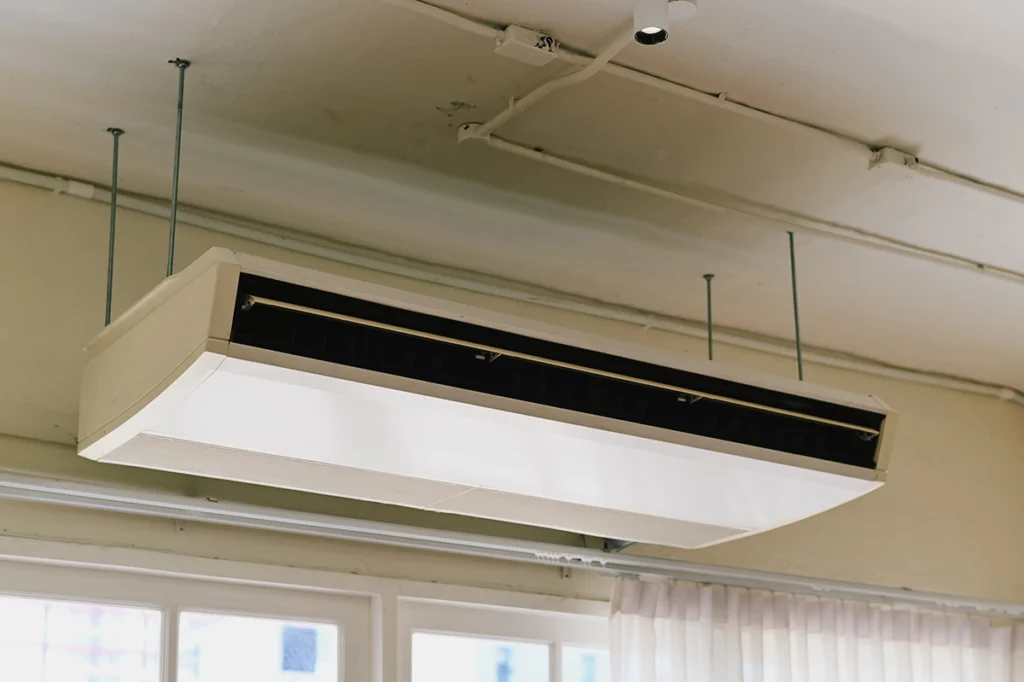
The fan in your AC unit moves air across the coils and through your vents — so when it stops, your whole system shuts down. You might hear a click at the thermostat but no whoosh from the registers. Or maybe the outdoor unit hums while nothing else happens. Either way, it’s not something to ignore, especially during a Thibodaux summer when humidity makes every degree feel worse. That fan is critical to cooling your home, and when it quits, a professional diagnosis is the fastest path to getting your comfort back. We’ll walk you through what’s happening, what warning signs to watch for, and when to call in a certified technician to restore reliable cooling.
Understanding the dual-fan design in your cooling equipment
Your air conditioning system depends on two separate fans working together to deliver cool air throughout every room. The outdoor fan sits mounted on top of the condenser unit outside your house, where it pulls air across the condenser coil to release heat from your home into the surrounding outdoor air. Without this component running at the correct speed, the refrigerant can’t properly reject heat, which means your system will struggle to cool or stop working entirely. Many homeowners don’t realize that the fan in AC unit designs actually consists of two distinct motors working in coordination—one inside your home and one outside—and both must operate simultaneously to maintain comfortable indoor temperatures throughout Louisiana’s sweltering summer months.
Inside your home, the blower fan circulates conditioned air through your ductwork and distributes it into each room where you need cooling. This indoor component typically uses a forward-curved centrifugal design that operates more quietly than propeller fans while creating higher pressure to push air through building ducts, according to industry technical guides. When you feel that steady stream of cool air coming from your vents, that’s the blower doing its job by circulating air across the evaporator coil where heat and moisture are removed. The fan in AC unit installations must maintain proper speed to ensure adequate airflow across the coil surface, preventing ice formation and ensuring efficient heat transfer. Then it delivers that cooled air throughout your living spaces at the precise flow rate needed for comfort. Both the indoor blower and outdoor condenser fan must operate simultaneously to complete the refrigeration cycle that removes heat from your home and transfers it outdoors where it can dissipate into the atmosphere.
Both fans run on electric motors that can wear out, overheat, or fail completely due to age, debris accumulation, or electrical problems that develop over years of use. If either fan stops working, your AC can’t complete the cooling cycle that removes heat from your home. You might notice warm air from your vents, ice forming on the outdoor unit, or unusual sounds like grinding or clicking that indicate mechanical stress. When we respond to a fan issue at your Thibodaux home, we inspect the motor, electrical connections, and other critical components to pinpoint the exact cause and restore reliable operation as quickly as possible. Regular inspection of each fan in AC unit systems helps catch early warning signs before a minor issue escalates into a complete system failure during peak cooling season.
Critical warning signals that demand immediate professional inspection
When the fan in your AC unit stops working properly, your system loses its ability to move air through your home—and you’ll notice the change right away. If you hear your system running but feel little or no airflow from your vents, that’s the clearest sign something’s wrong with the blower fan inside your air handler. The outdoor condenser fan may also fail independently, and while that’s harder to observe from inside your home, your unit will quickly begin to overheat without proper air circulation. You might notice ice forming on the refrigerant lines near the outdoor unit, or the compressor may shut down repeatedly to protect itself from damage. Without proper air circulation across both coils, your entire HVAC system enters a stressed state that can lead to cascading failures throughout multiple components, turning a simple fan repair into a much more expensive compressor replacement.
Listen for unusual sounds, too. Squealing, grinding, or rattling noises often point to worn motor bearings or debris caught in the blades. Some homeowners also report a burning smell near the indoor air handler or outdoor unit—a sign that a motor is overheating. If your thermostat is set correctly and the filter is clean, but the system still isn’t cooling as it should, we recommend scheduling an inspection to diagnose the problem. We can evaluate both the blower and condenser fan motors, inspect electrical components, and pinpoint the exact issue before it leads to a full system failure. Catching problems with the fan in AC unit early prevents minor issues from escalating into major repairs that require emergency service during the hottest weeks of summer.
Common reasons your cooling fans suddenly stop operating
When your air conditioner’s fan stops spinning, the problem usually traces back to one of three core issues: a failed motor, a worn-out electrical component, or damage somewhere in the electrical pathway that supplies power to the fan. Each of these causes leaves distinct clues during a professional diagnosis that help us identify exactly what’s preventing normal operation. Understanding what happens inside the system helps explain why your home suddenly feels warmer even though the thermostat’s set correctly and the outdoor unit appears to be running. The mechanical components experience tremendous stress over thousands of operating hours, especially during Louisiana’s long cooling season when systems run almost continuously for months at a time without any break. Every fan in AC unit designs eventually experiences wear, but proper maintenance extends service life significantly and reduces the likelihood of unexpected breakdowns during peak demand periods.
The motor itself can burn out after years of continuous operation, especially if it’s been straining against dirty blower wheels or restricted airflow caused by clogged filters. Motors generate heat during normal use, but when dust builds up on the windings or bearings lose their lubrication, that heat accelerates wear until the motor seizes or simply refuses to start. Regular maintenance helps prevent many of these failures by keeping components clean and properly lubricated before damage occurs. When bearings fail, you’ll often hear grinding or squealing sounds that indicate metal-on-metal contact before complete shutdown. Overheating in a fan in AC unit motors also occurs when ambient temperatures in attic installations exceed manufacturer specifications, gradually degrading insulation on electrical windings until short circuits develop and the motor fails completely.
Electrical components that help motors start and run can also fail over time, weakening through repeated heat cycles that stress the internal materials. When these components malfunction, you’ll often hear a humming sound at startup while the blades stay completely motionless. This is one of the most common reasons we see fans fail in Thibodaux’s humid climate, where temperature swings put extra stress on the entire system. The capacitor that provides startup voltage frequently degrades in hot attic installations where temperatures exceed design specifications for extended periods during peak summer months.
Other electrical problems round out the list of potential culprits. A tripped breaker, a blown fuse in the disconnect box near the outdoor unit, or a burnt relay on the control board can all cut power while leaving other parts of the system energized and appearing to function normally. Rodent damage to wiring, corroded connections, or a failed contactor (the switch that sends voltage to the motor) also prevent operation when it should occur. When we respond to a no-fan call at your home, we trace the circuit, test voltage at multiple points, and inspect all relevant components. That thorough process ensures we address only what’s actually broken and restore reliable airflow as quickly as possible.
Quick homeowner checks that might reveal simple solutions
Before reaching out to a professional, a few quick checks can help you rule out simple issues and give our team useful information when we arrive. First, take a look at your thermostat—make sure it’s set to “cool” and the fan switch is on “auto” rather than “on.” If the fan runs continuously, switching it to auto may stop the noise or erratic behavior you’re hearing. Next, walk outside and inspect the condenser unit. Clear away any leaves, grass clippings, or debris blocking the fan’s path. Even a single branch or piece of yard waste can cause vibration or prevent the blades from spinning freely, so keeping the area around each component completely clear is essential for proper operation and longevity.
Check your indoor air filter next, because a clogged filter forces the system to work significantly harder, which can strain both the indoor blower and the outdoor motor until one of them fails. A dirty filter restricts airflow across the evaporator coil, causing the fan in AC unit to labor against increased resistance that eventually burns out the motor windings or damages the capacitor. Finally, glance at your electrical panel for any tripped breakers—an overloaded motor sometimes trips the circuit when it tries to start. If you spot a tripped breaker, you can reset it once to see if normal operation resumes. If it trips again immediately, leave it off and call us right away. These checks won’t fix a failing motor or damaged electrical component, but they help us diagnose the real culprit faster when we arrive at your Thibodaux home.
Professional diagnostics that restore cooling performance quickly
When your AC fan stops working or starts showing signs of trouble, the fastest path to cool comfort is a professional diagnosis. We understand how quickly a quiet outdoor unit or a noisy blower can disrupt your home in Thibodaux, especially during our warmest months. Good Call can assess your system and provide a clear picture of what’s needed to restore proper airflow. Our technicians carry specialized diagnostic equipment that measures voltage, amperage, and capacitance to pinpoint exactly which component has failed in your cooling system.
When you reach out to us, here’s what you can expect from start to finish: we’ll schedule a convenient time for one of our HVAC technicians to visit your home and thoroughly evaluate your cooling system. They’ll inspect the fan in your AC unit at both the indoor and outdoor locations, along with the electrical components, motor windings, and controls that keep everything running smoothly. We’ll explain what we find in plain language — whether it’s a worn electrical component, a failed motor, debris in the blades, or a wiring issue — and walk you through your repair or replacement options. Before any work begins, we provide a detailed estimate so you know exactly what the repair involves and what it will cost. There’s no pressure to commit on the spot, and you’ll have all the information you need to make the right decision for your household budget and comfort needs.
Ready to get your system back on track? Contact Good Call today to schedule your AC fan inspection. We’re here to help you stay comfortable all season long.
Frequently Asked Questions
How do I know if the fan in my AC unit is broken?
You’ll notice little or no airflow from your vents even though the thermostat is calling for cooling. Or the outdoor fan blades aren’t spinning. Other warning signs include grinding or squealing sounds, ice on the outdoor unit, or a burning smell. If you’re experiencing any of these symptoms, we recommend scheduling an inspection right away.
Can I run my air conditioner if the fan isn’t working?
No, you shouldn’t run your AC when the fan stops working—it can overheat the compressor and cause expensive damage. Without airflow across the coils, refrigerant and pressure builds up inside the system. Turn the system off at the thermostat. Then call us to diagnose the issue before further damage occurs.
What causes an AC fan motor to fail?
Fan motors typically fail due to worn bearings, overheating from restricted airflow, or electrical component failure. Dust buildup, years of continuous operation, and Thibodaux’s humid climate all accelerate wear. When we inspect a non-working fan, we evaluate the motor and electrical connections to pinpoint the problem.
How long should an AC fan motor last?
A well-maintained AC fan motor usually lasts twelve to fifteen years. However, neglected systems may fail much sooner. Regular tune-ups—changing filters, cleaning coils, and professional maintenance—reduce strain on both indoor blower and outdoor condenser fan motors. We help homeowners catch early warning signs during seasonal maintenance visits before a full breakdown happens.