
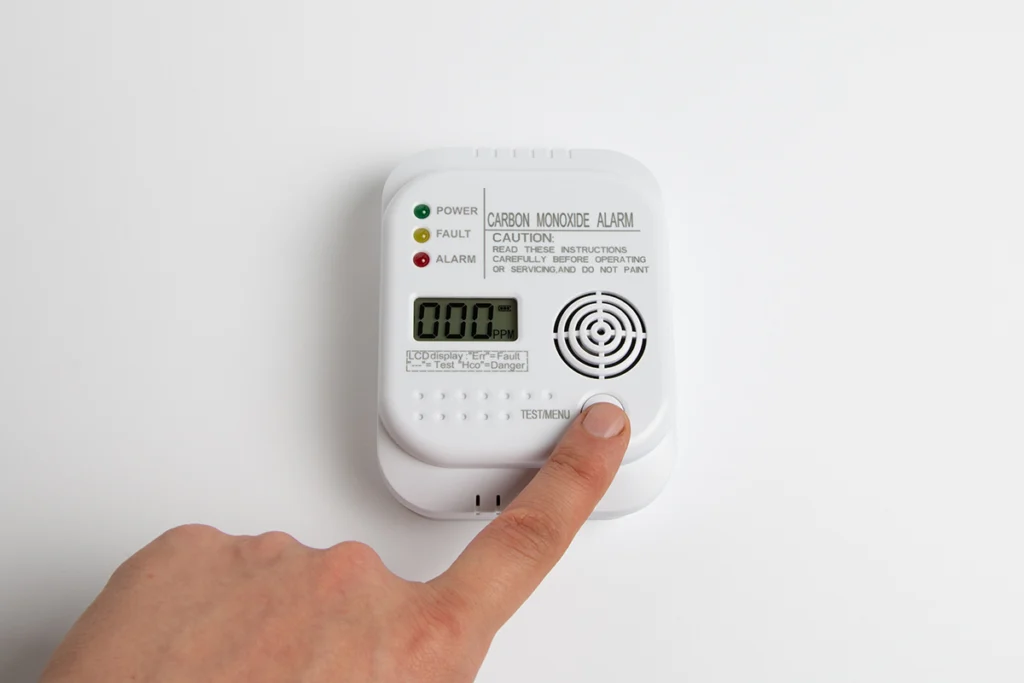
If you suspect your heat exchanger cracked leaking carbon monoxide in Raceland, LA, turn off your furnace immediately, evacuate if anyone feels symptoms, and call a professional right away. The crack itself is usually a symptom of a bigger problem. Most often it stems from years of overheating caused by restricted airflow, a dying blower motor, or corrosion from trapped combustion moisture. You’re probably weighing whether to replace just the heat exchanger or invest in a new furnace. That decision hinges on finding what caused the crack in the first place. If you swap the part but leave the root cause untouched, the new exchanger will fail too. Sometimes it happens in a single heating season. We’ll walk you through the most common upstream causes, what we check during a carbon monoxide safety inspection, and why treating the symptom without the diagnosis rarely ends well.
Why a Cracked Heat Exchanger Leaks Carbon Monoxide
A cracked heat exchanger allows combustion gases to escape into your home’s air supply. This includes deadly carbon monoxide. The metal barrier designed to keep them separated has failed. In a gas furnace, the heat exchanger is the chamber where burners ignite natural gas to create heat. As warm air from your home passes over the outside of that chamber, it picks up warmth. It then travels through your ductwork. When cracks develop in the exchanger’s metal walls, carbon monoxide and other exhaust gases slip through those openings. They then mix directly with the air you breathe.
Cracks typically form from years of repeated heating and cooling cycles. These cycles cause the metal to expand and contract, weakening it over time. Overheating accelerates the damage. This is often caused by a clogged filter, blocked return vents, or an undersized duct system. These issues force the exchanger to run hotter than designed. Corrosion from moisture or improper combustion also thins the metal, making it brittle. Because carbon monoxide is colorless and odorless, you won’t detect it without an alarm. Symptoms like headaches, nausea, or dizziness often mimic the flu.
Annual professional inspections of all fuel-burning heating systems are recommended to help prevent carbon monoxide poisonings. When we inspect a furnace in Raceland, we check the exchanger with a camera. We also run combustion tests to confirm whether gases are escaping. If you suspect a crack, turn off your furnace and call us for a safety inspection. If your CO alarm is sounding, get everyone outside into fresh air right away and call 911 first.
What Causes a Heat Exchanger to Crack in the First Place
Most homeowners assume the heat exchanger simply wore out. Yet a crack or leak is rarely a standalone failure. In almost every case we see in Raceland, the damage started somewhere else in the system. The heat exchanger became the victim. When any of these conditions goes unchecked, the metal fatigues, warps, or corrodes until it splits. That’s when carbon monoxide can enter your home’s air supply.
Airflow and Overheating
When your furnace can’t move enough air across the heat exchanger, the metal temperature climbs far beyond its design limit. This usually happens because of a clogged filter, closed supply vents, undersized or blocked ductwork, or a failing blower motor. The exchanger expands and contracts with each heating cycle. Sustained overheating accelerates metal fatigue until cracks form along the welds or stress points. We often find years of accumulated dust inside the cabinet during inspections. That’s a clear sign the system was starved for air long before the exchanger failed.
Corrosion and Combustion Problems
If the burners aren’t adjusted correctly or the flue is partially blocked, combustion becomes incomplete. That creates acidic moisture and soot inside the exchanger. It corrodes the steel from the inside out. Flame rollout can also scorch and warp the metal. This happens when flames spill outside the burner box due to restricted venting or pressure imbalances. Both conditions leave behind visible pitting, rust, and eventually perforations. These perforations allow exhaust gases to leak into your air stream. A technician will inspect the burner flame pattern, flue draft, and exchanger interior to identify whether corrosion or combustion issues were the root cause. Only then will we recommend replacing any parts.
Signs Your Heat Exchanger Cracked and Is Leaking Carbon Monoxide
A cracked heat exchanger can release carbon monoxide into your home before you realize anything is wrong. The earliest warning is often your carbon monoxide detector alarming. If it sounds, move everyone outside immediately and call for help. You may also notice physical symptoms that worsen when the furnace runs: persistent headaches, dizziness, nausea, or unusual fatigue that clears up when you leave the house. These symptoms mean CO is already in your breathing air.
Visual clues around your furnace point to trouble, too. Soot streaks or black residue near the cabinet, rust stains on the heat exchanger itself, or moisture pooling inside the unit all signal incomplete combustion and possible cracks. A yellow or flickering burner flame instead of steady blue confirms that combustion gases aren’t venting properly. Some homeowners in Raceland, LA also smell a faint chemical or metallic odor near the furnace when a crack develops.
When we respond to a suspected cracked heat exchanger, we use a combustion analyzer to measure CO levels in the flue and living space. Then we perform a visual inspection with a camera probe to locate cracks. Never ignore these warning signs — carbon monoxide poisoning is life-threatening. The safest step is shutting off your furnace and contacting a professional immediately.
Call Good Call for a Carbon Monoxide Safety Check in Raceland
If you see warning signs of a cracked heat exchanger or your carbon monoxide detector has sounded, get everyone outside into fresh air right away and call 911. Do not stay inside to open windows or inspect the heat exchanger yourself. Carbon monoxide exposure is a serious health risk and the furnace components require professional handling. Once you’ve taken those steps, contact our team for a thorough safety inspection.
When you reach out to Good Call, we walk you through what to expect. We’ll arrive equipped with calibrated gas detection instruments to measure carbon monoxide levels throughout your home and pinpoint the source. We’ll conduct a full furnace inspection, examining the heat exchanger for cracks, corrosion, or separation at the seams. We’ll also evaluate the conditions that may have caused the failure. These include restricted airflow, improper burner operation, or age-related metal fatigue. You’ll receive a clear explanation of what we find, the safety risks involved, and your options for repair or replacement. We’ll never push you toward a decision. Our goal is to give you the expert guidance you need to restore safe, reliable heat to your Raceland home.
Reach out to Good Call today to schedule your carbon monoxide safety check. Let our specialists point you in the right direction and help you protect what matters most.
Frequently Asked Questions
Can a cracked heat exchanger leak carbon monoxide even if my carbon monoxide detector hasn’t gone off?
Yes, a cracked heat exchanger can leak carbon monoxide before your detector alarms. This is especially true if the crack is small or the detector isn’t near your furnace return. Detectors sound at sustained concentrations of 70 ppm or higher. Yet lower exposure still causes headaches and nausea when your furnace runs. Annual professional inspections catch these risks early.
What are the early warning signs of a heat exchanger cracked leaking carbon monoxide in Raceland, LA?
Early warning signs include headaches, dizziness, or nausea that clear up when you leave home. Plus soot streaks near your furnace, rust stains, yellow or flickering burner flames, or a faint chemical odor. If your carbon monoxide detector sounds or you notice any of these, get everyone outside and call 911 right away, then call us.
If my heat exchanger is cracked and leaking carbon monoxide, can I just replace the exchanger or do I need a new furnace?
It depends on what caused the crack and the furnace’s age. If restricted airflow, overheating, or corrosion damaged other components, or the unit is over fifteen years old, replacement is often safer. We’ll inspect the full system and identify the root cause. Then we’ll explain both repair and replacement options with upfront guidance.
How do you test for carbon monoxide from a cracked heat exchanger in Raceland?
We use a calibrated combustion analyzer to measure carbon monoxide in your flue and living space. Then we inspect the exchanger with a camera probe to locate cracks or rust. We also check burner flame pattern, airflow, and venting to find the root cause. You’ll get a clear safety explanation before any work begins.