
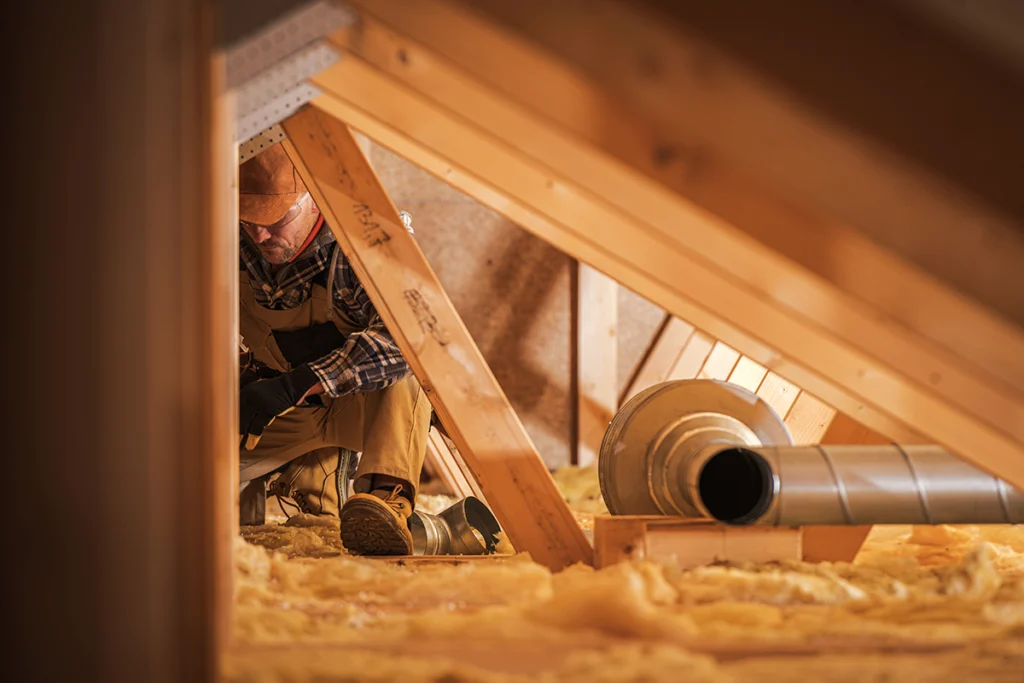
Wondering if you need HVAC duct repair — and what it even involves? If your home feels stuffy, your energy bills keep climbing, or some rooms never quite get comfortable, your ductwork might be leaking conditioned air into your attic or crawl space instead of delivering it where you live. That’s a big deal in Thibodaux, where Gulf humidity makes your system work overtime already. Leaky or damaged ducts waste energy, strain your equipment, and let dust and moisture sneak into your air supply. The good news is duct repair is often faster and less invasive than you’d think — once we pinpoint where the problems are hiding.
Why HVAC Duct Repair Matters
Your ductwork is the circulatory system of your home’s heating and cooling. It runs quietly through attics, crawl spaces, and walls. When ducts develop leaks, tears, or disconnected joints, your conditioned air escapes into spaces you’re not trying to heat or cool. Meanwhile, outside air finds its way in. In Thibodaux’s humid climate, that means your system works overtime fighting both the outdoor temperature and the moisture load. Month after month, your energy bills climb while rooms stay stuffy or uneven.
Damaged ducts create a cascade of comfort problems you might not trace back to the source. You’ll notice hot spots in summer or cold zones in winter. Some rooms never quite reach the temperature on your thermostat. Dust accumulates faster than it should. If ducts run through an unconditioned attic or crawl space without proper sealing and insulation, the energy loss compounds quickly. Your system cycles more frequently and wears out components faster, yet it still can’t deliver the comfort you’re paying for.
When we inspect ductwork, we look for visible gaps, crushed sections, poor original installation, and signs of air leakage that rob your system of efficiency. Repairing ducts isn’t just about patching holes. It’s about restoring your HVAC system’s ability to do its job without waste, so every dollar you spend on heating and cooling actually reaches the rooms where you live.
Signs Your Ducts Need Repair
Damaged or leaking ductwork rarely announces itself with a dramatic breakdown. Even so, the symptoms add up quickly in your home. If you notice certain rooms staying warmer in summer or colder in winter despite the system running constantly, air isn’t reaching those spaces the way it should. Uneven temperatures room-to-room are one of the clearest warning signs we see when inspecting duct systems in Thibodaux homes.
Higher energy bills without a corresponding spike in usage often point to leaky ducts. Conditioned air escapes into attics, crawlspaces, or wall cavities before it ever reaches your living areas, forcing your system to work overtime. You might also hear whistling, rattling, or popping noises from vents or ductwork when the blower kicks on. These sounds signal loose connections or gaps.
Dustier-than-usual rooms, visible soot or debris around supply registers, and stuffy indoor air that never feels quite fresh can all indicate compromised ductwork. These symptoms may mean your system is pulling in unconditioned air or losing pressure through leaks. If any sound familiar, a professional duct inspection can pinpoint where your system is losing efficiency and comfort.
Common HVAC Duct Damage We Find
When we inspect ductwork in Thibodaux homes, we typically find one or more of a handful of recurring problems. Disconnected joints are extremely common. In many cases, the sections were never sealed properly during installation, or sealing materials have deteriorated over the years, leaving gaps where conditioned air escapes into your attic or crawlspace. Crushed or kinked ducts are another frequent discovery, especially in tight attic spaces. Insulation, stored boxes, or foot traffic during a previous project can compress the flexible duct. Once the duct collapses, airflow to that room drops sharply, and you’ll notice weak or nonexistent output from the register.
We also encounter duct leaks at seams and connections. Small holes, tears, and separated sections let treated air bleed out before it reaches your living spaces. Sometimes rodents or pests chew through the outer vapor barrier and the inner liner, creating punctures that compromise both airflow and indoor air quality. In older systems, we occasionally see deteriorated ductboard or corroded metal trunk lines, particularly if the ducts were exposed to moisture over time. Each of these issues forces your HVAC system to work harder to maintain temperature, driving up energy costs and shortening equipment life.
Less obvious but equally important are problems with static pressure. When damaged ducts create too much resistance, the blower motor strains against the restricted flow. This can potentially lead to overheating or premature failure. During a thorough inspection, our technicians check both the visible ductwork and hidden sections. We use pressure tests and visual assessments to pinpoint exactly where the damage lies. Once we’ve mapped out the problem areas, we’ll walk you through which sections need sealing, replacement, or reinforcement. Then we’ll explain how the repairs will restore balanced airflow and system efficiency throughout your home.
Schedule Your Duct Inspection
Getting your ductwork checked is simpler than most homeowners expect. When you reach out to Good Call, we’ll set up a time that works with your schedule to perform a thorough duct inspection. Our team will walk through your home, examining accessible ductwork in attics, crawlspaces, and utility areas. We identify leaks, disconnections, crushed sections, and insulation problems. We use visual inspection and airflow testing to pinpoint exactly where conditioned air is escaping and what repairs will make the biggest difference in your comfort and energy use.
After the inspection, we’ll explain what we found in plain terms. You’ll receive a detailed estimate for the necessary repairs. Whether it’s sealing leaks with professional-grade materials, reconnecting separated joints, replacing damaged sections, or adding insulation, we’ll walk you through each recommendation. That way you understand what’s involved and why it matters for your system’s performance.
Spring and fall are ideal times to address duct issues in Thibodaux. These milder months come before the heaviest cooling or heating demands arrive. Tackling ductwork repairs during this window means your system will be ready to handle summer humidity or winter chill without working harder than it should. To schedule your duct inspection, fill out our simple online form or give us a call. We’ll get you on the calendar and help you take the first step toward a more efficient, comfortable home.
Frequently Asked Questions
How do I know if my ducts need repair?
Uneven room temperatures, higher energy bills, weak airflow from vents, and excessive dust are the most common signs. You might also hear whistling or rattling when the system runs, which usually means air is escaping through gaps. We can inspect your ductwork to pinpoint leaks and damage affecting comfort.
What does HVAC duct repair involve?
Duct repair typically includes sealing leaks, reconnecting separated joints, replacing crushed or torn sections, and adding insulation where needed. Our technicians inspect visible and hidden ductwork, then use airflow testing to locate problems. Next, we explain which repairs will restore balanced airflow throughout your home.
Can leaky ducts increase my energy bills?
Yes — leaky ducts let conditioned air escape into attics and crawlspaces instead of reaching your living areas. As a result, your system has to run longer. In Thibodaux’s humid climate, that wasted energy adds up quickly. Sealing damaged ductwork restores efficiency so heating and cooling reaches the rooms where you need it.
When is the best time to schedule HVAC duct repair?
Spring and fall are ideal because your system faces lighter demands. Repairs won’t leave you uncomfortable during extreme weather. Addressing duct issues before summer humidity or winter chill arrive means your HVAC will perform efficiently when you need it most. Of course, we can schedule an inspection year-round.