
A furnace blower capacitor failing causing weak airflow in Morgan City, LA is almost never just a capacitor that wore out on its own. Something upstream pushed it past its limit. We see this pattern often: a homeowner notices barely any air from the vents, and we confirm the blower capacitor is shot.
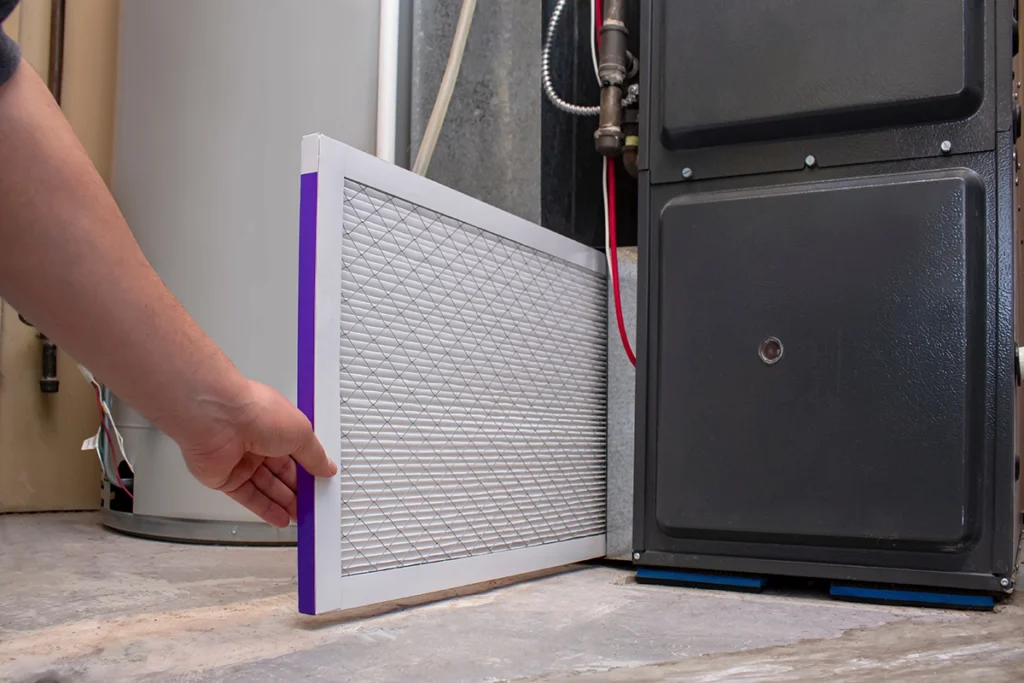
If only the cap is replaced without finding what killed it, you’re back in the same spot in weeks or months. The real culprits are usually electrical supply problems like voltage spikes from storm surges or loose wiring at the disconnect. Restricted airflow from a choked filter or ductwork issues can force the motor to labor. A blower motor that’s already wearing out and drawing too much current is another common cause. The capacitor’s job is to give the motor the jolt it needs to spin up. Any condition that makes the motor work harder will burn through capacitors one after another until the cause is fixed.
What Causes Weak Airflow When Your Furnace Blower Capacitor Fails
When your furnace blower capacitor fails, the motor loses the electrical boost it needs. The capacitor stores and releases energy to start the motor and keep it running. When that component weakens or dies, your blower motor struggles to reach proper speed. It may not start at all. This results in weak airflow from your vents even though your furnace is running. You’ll often notice barely-there warmth or longer heating cycles. Rooms may never quite reach the temperature on your thermostat.
Most capacitors serve your system reliably for 10 to 20 years. Performance typically begins to decline around year 12. But age alone rarely tells the full story. A failing capacitor is usually a symptom of a larger problem. Electrical supply issues can degrade the capacitor over time. Voltage spikes or inconsistent power are common causes. Overheating caused by restricted airflow forces the motor and capacitor to work harder. Dirty filters, blocked ducts, and sealed return vents create this restriction.
A worn motor bearing can also stress the capacitor until it gives out. When we respond to a weak-airflow call, we test the capacitor. We also investigate what caused the failure in the first place. Replacing the part without addressing the root cause creates problems. You’ll likely face the same issue again. You also risk damaging the new capacitor and the motor itself.
Why the Capacitor Failed in the First Place
A failing blower capacitor is rarely the root problem. It’s usually a symptom of something stressing the system upstream. The most common culprits are:
- Electrical surges from unstable power supply
- Chronic overheating caused by restricted airflow
- Worn motor bearings that force the capacitor to work harder
- Simple age-related breakdown from years of heat cycles
In Morgan City, the combination of Gulf Coast humidity and summer heat puts extra thermal stress on every electrical component in your furnace cabinet. That shortens the service life of capacitors that might last longer in cooler climates. Understanding why your furnace blower capacitor failing causing weak airflow in Morgan City, LA occurred in the first place helps us prevent repeat failures and protect your entire heating system from cascading damage.
How Restricted Airflow Damages the Capacitor
Restricted airflow is the single most overlooked cause. A clogged filter, blocked return vents, or dirty blower wheel forces the motor to strain, generating excess heat that radiates into the capacitor mounted nearby. That heat degrades the dielectric film inside the capacitor (the insulating layer between the metal plates). It causes the part to bulge, leak, or lose capacitance over time.
Motor bearing wear creates a similar cycle. As the bearings dry out or corrode, the motor draws more start-up current. The capacitor has to deliver a higher surge every cycle until it burns out. Voltage spikes from storms or utility-grid fluctuations can punch through the capacitor’s insulation in a single event. More often the damage is cumulative. Dozens of small surges over months weaken the component until it fails on an ordinary startup.
When you call us, we check the incoming voltage and measure the static pressure across your duct system to confirm airflow isn’t restricted. We inspect the blower motor bearings for noise or play and test whether the capacitor is receiving clean power. Replacing the capacitor without addressing the cause almost always leads to another failure within weeks or months. Sometimes it triggers a cascade: motor windings overheat, the control board shorts, or the transformer fails under the added load.
Signs Your Blower Capacitor Is Failing Beyond Weak Airflow
Weak airflow is often the first symptom when a blower capacitor starts to fail. But it rarely shows up alone. If you hear a low humming or buzzing sound from inside your furnace when the heat kicks on, the blower motor is struggling to start. The capacitor isn’t delivering the electrical boost it needs. That hum means the motor is drawing excessive current and overheating as it tries to reach speed.
You might also notice your heating cycles take longer than usual to warm the house. The blower fan may run intermittently, starting and stopping on its own even though the thermostat is calling for heat. These patterns happen because a weak capacitor can’t maintain consistent motor speed. In more advanced cases, you may smell a faint burning odor near the furnace. That’s a sign the motor windings are overheating from the extra electrical load. A failing capacitor can cause motors to reach only fifty to seventy-five percent of rated speed. This forces them to work harder and heat up rapidly.
If you’re experiencing any combination of these symptoms in your Morgan City home, we recommend shutting the system off. Call us right away to prevent motor damage. Recognizing early warning signs of a furnace blower capacitor failing causing weak airflow in Morgan City, LA can save you from a complete system breakdown and expensive emergency repairs during the coldest nights of the year.
When to Call for Furnace Blower Repair in Morgan City
Certain symptoms tell you the blower capacitor or another component needs immediate attention from a qualified technician. If you notice no warm air reaching your rooms even though the furnace is running, the blower may have stopped entirely. It may also have dropped to a speed too weak to move heated air through the ductwork. Strange noises from the cabinet, humming, clicking, or labored grinding often mean trouble. The motor is straining against a failing capacitor. A tripped circuit breaker that resets once but trips again when the system runs points to an electrical fault that could worsen quickly. Any burning smell or smoke from the furnace means you should shut the system off immediately and call for service. A shorted capacitor or overheating motor can create serious fire risk.
We serve Morgan City and the surrounding area, and our team is ready to diagnose blower problems, test the capacitor and motor, and restore safe, reliable heating before damage spreads. Whether you’re dealing with a furnace blower capacitor failing causing weak airflow in Morgan City, LA or any other heating system concern, our experienced technicians will identify the root cause and provide lasting solutions. Contact us to schedule your furnace inspection and restore safe, reliable heating to your Morgan City home.
Frequently Asked Questions
Can a failing furnace blower capacitor cause weak airflow in my Morgan City home?
Yes, a failing blower capacitor directly causes weak airflow because it can’t deliver the electrical boost your motor needs to reach full speed. The motor struggles to spin properly, so heated air moves through your vents at a fraction of normal volume. We test both the capacitor and the underlying cause to prevent repeat failures and restore proper airflow.
How do I know if weak airflow is from a bad blower capacitor or something else?
A failing capacitor typically produces a humming or buzzing sound when the blower tries to start, along with weak airflow and longer heating cycles. Other causes, like a clogged filter or duct blockage, usually lack that humming noise. We measure capacitance, test motor current draw, and check static pressure to pinpoint the exact cause before recommending any repair.
Why does my furnace blower capacitor keep failing after replacement?
Your capacitor keeps failing because the root cause, such as restricted airflow, motor bearing wear, or voltage spikes, hasn’t been addressed. Replacing the part alone doesn’t stop the condition that’s stressing it. We trace back to find what’s overheating or overloading the motor, then fix that problem so your new capacitor lasts years instead of weeks.
What happens if I ignore weak airflow from a failing blower capacitor?
Ignoring weak airflow lets the blower motor overheat and draw excessive current, which can burn out motor windings, damage the control board, or create a fire hazard. The system works harder for less heat, driving up your energy bill while risking a complete breakdown. Call Good Call at the first sign of reduced airflow to prevent costly cascade failures.