
Most homeowners think an air conditioning unit not working means a total system failure. In reality, the culprit is often something much simpler—like a tripped breaker or a clogged filter choking airflow. Check your thermostat setting and your filter first; those two account for a surprising number of no-cool calls we get here in Thibodaux. That said, if the obvious fixes don’t bring your AC back to life, you’re likely dealing with a refrigerant leak, a failed capacitor, or a compressor issue that needs our technicians to diagnose and repair safely. We’ll walk you through what to check on your own, what causes most breakdowns, and when it’s time to call us so you’re not sweating it out any longer than necessary.
Why Your AC Unit Stopped Working
When your air conditioning unit stops working on a hot Louisiana afternoon, the cause is usually one of a handful of common issues. You might notice the system won’t turn on at all. Or it runs but blows warm air instead of cool. Sometimes the unit cycles on and off too quickly, or you hear unusual grinding or buzzing sounds before it quits altogether. Each symptom points us toward a different underlying problem during diagnosis.
The most frequent culprits we see in Thibodaux are thermostat failures, tripped breakers, clogged air filters restricting airflow, and frozen evaporator coils. A dirty filter alone can choke the system enough to trigger a safety shutoff. Refrigerant leaks are another possibility. According to the EPA, properly maintained AC units rarely develop major refrigerant leaks. But when they do occur, repairing the leak instead of simply topping off the system keeps your unit running efficiently. Electrical issues like a failed capacitor (the component that gives the compressor or fan motor its starting boost) or a worn contactor can also leave you without cooling.
When we respond to a no-cool call, we start with a full system check. We examine thermostat settings, electrical connections, refrigerant levels, airflow, and the condition of major components. Pinpointing the exact failure quickly means you’re back to comfort faster. Plus, it prevents a small issue from damaging other parts of the system.
Quick Checks Before You Call
When your air conditioning unit isn’t working, a few simple checks can save time and help us diagnose the problem faster when we arrive. Start at your thermostat—make sure it’s set to “cool” rather than “heat” or “off.” Confirm the target temperature is at least a few degrees below the current room temperature. If you have a battery-powered thermostat, weak batteries can prevent it from sending signals to your system.
Next, check your circuit breaker panel. Air conditioners pull significant power, and a tripped breaker is one of the most common culprits behind a non-responsive system. If you find a tripped breaker, you can try flipping it back to the “on” position once. Listen for the outdoor unit to start. But if it trips again, leave it off and call us. Also take a moment to inspect your indoor air filter. According to Mississippi State University Extension, dirt buildup on the indoor cooling coil is the single most common cause of air conditioner efficiency loss. A clogged filter accelerates that buildup while choking airflow. If the filter looks dark or matted, note that for us or replace it if you’re comfortable doing so.
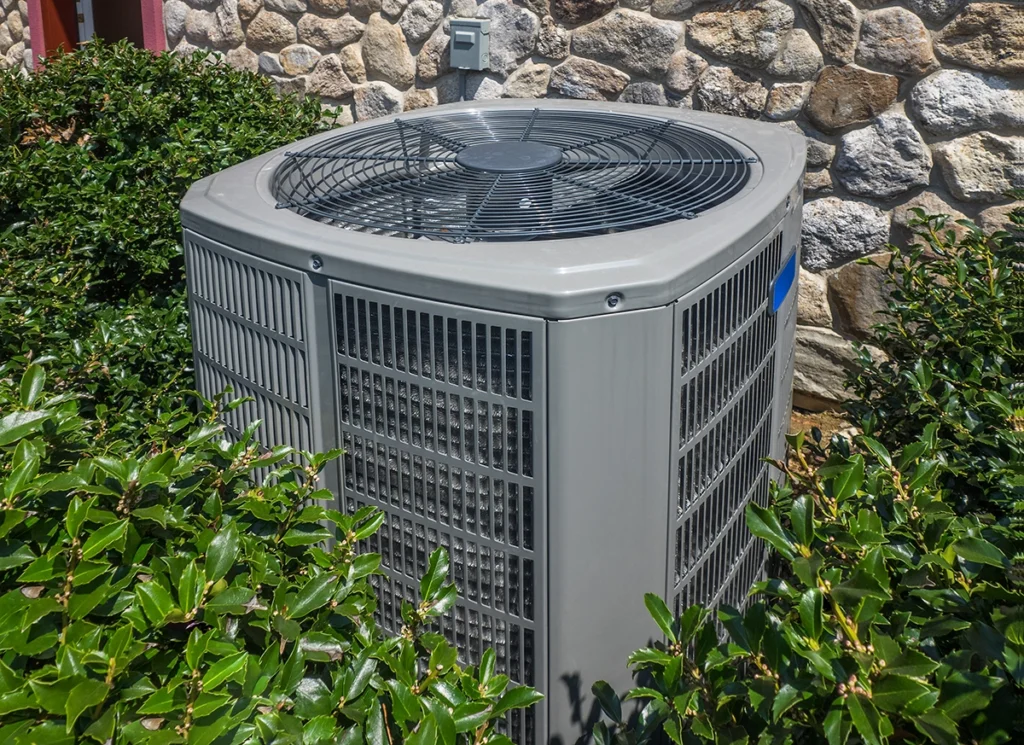
Finally, walk outside and visually inspect the condenser unit. Clear away any leaves, grass clippings, or debris blocking the fins. If you’ve checked these basics and the system still won’t respond, it’s time to call Good Call for a professional diagnosis.
Air Conditioning Unit Not Working: Common Causes
When your system stops cooling entirely, a handful of underlying issues usually explain the breakdown. Understanding what might have failed helps you describe symptoms accurately when you call for service. It also helps us prepare the right tools and parts before arriving.
Electrical Failures and Tripped Breakers
Electrical problems rank among the most common culprits. A tripped circuit breaker, blown fuse, or failed capacitor (the component that sends the initial jolt of power to start the compressor and fan motors) can stop your air conditioning unit cold. You may notice the outdoor unit completely silent or the indoor fan running without any cool air. Before calling, check your home’s breaker panel. If the AC breaker has tripped, you can flip it back once. However, if it trips again immediately, leave it off and contact us; repeated trips signal a short circuit, failing component, or overloaded system that requires professional diagnosis.
Refrigerant Leaks
Refrigerant doesn’t “run out” through normal use. If levels drop, there’s a leak somewhere in the sealed system. Low refrigerant prevents heat transfer, so the evaporator coil can’t absorb warmth from your indoor air. You might see ice forming on the refrigerant lines or coil. You might hear a hissing sound near the outdoor unit. Or you might notice your home stays stuffy despite the system running constantly. When we respond to a suspected leak, we use electronic detectors to pinpoint the exact location. We then repair the breach according to EPA regulations and restore the system to the manufacturer’s specification.
Compressor Failure and Frozen Coils
The compressor is the heart of your cooling system. It circulates refrigerant and maintains pressure throughout the entire unit. A locked-up or burnt-out compressor stops refrigeration entirely. Frozen evaporator coils—often caused by restricted airflow from a clogged filter, blocked return vents, or that same refrigerant leak—create a similar symptom: no cooling, visible ice, and sometimes water pooling indoors as the ice melts. We inspect airflow, refrigerant charge, and compressor function to isolate the root cause. Then we recommend repair or replacement based on the unit’s age and condition.
Get Your AC Running Again
When your air conditioning unit stops working, the problem rarely gets better on its own. Many issues we see every week in Thibodaux started as small symptoms that homeowners thought might resolve themselves. A refrigerant leak that begins as slightly warm air can force your compressor to work overtime, turning a manageable repair into a full system replacement. A clogged drain line that starts with a little pooling can lead to water damage in your ceiling or walls. The sooner we can diagnose what’s happening, the more options you have and the less disruption your home experiences.
We respond quickly to homes across the Thibodaux area, and we know how uncomfortable Louisiana summers can be without reliable cooling. Our team brings the diagnostic equipment and replacement parts to assess your system thoroughly. We identify the root cause and walk you through what we’ve found. Whether it’s a failed capacitor, a sensor reading issue, or something deeper in the system, we explain what’s happening in plain terms so you can make an informed decision about the next step.
You don’t need to troubleshoot this alone or wait and hope things improve. Reach out to Good Call today to talk through your specific situation, answer your questions, and schedule a time that works for you. Let’s get your home comfortable again.
Frequently Asked Questions
Why is my air conditioning unit not working but the fan runs?
Your indoor fan runs but no cooling happens because the outdoor compressor isn’t starting. This is usually due to a failed capacitor, tripped breaker, or low refrigerant. The blower circulates air normally while the refrigeration side sits idle. We test electrical components, refrigerant charge, and compressor function to pinpoint why the outdoor unit won’t engage. Then we restore full cooling.
What should I check first when my air conditioning unit stops working?
Check your thermostat setting, inspect the air filter, and look for a tripped circuit breaker before calling us. Those three account for a large share of no-cool calls we handle in Thibodaux. If the system still won’t respond after you’ve confirmed the thermostat is set to cool and the breaker is on, contact Good Call for a professional diagnosis.
Can a dirty air filter cause my air conditioning unit not to work?
Yes, a clogged filter restricts airflow enough to trigger safety shutoffs or freeze the evaporator coil. This stops cooling entirely. If you suspect a filter issue, we can assess whether restricted airflow has caused ice buildup. We also check for other underlying issues like refrigerant leaks or sensor failures that need attention.
How do I know if my AC compressor has failed?
A failed compressor usually makes the outdoor unit completely silent. Or you’ll hear clicking, humming, or grinding without the fan starting. Because the compressor circulates refrigerant, failure stops all cooling. We test electrical draw, capacitor health, and internal resistance to confirm whether repair or replacement is the best path forward.