
Evaporator coil fins bent reducing airflow in Raceland, LA usually happens because something forced the thin aluminum fins to fold over. Common causes include debris blowing into the coil during cleanings, rough filter changes, or hail damage to an exposed indoor unit. Sometimes a careless brush-off tries to knock dust off the coils. Once those fins crumple, air can’t flow through the narrow gaps between them. Your system works harder and cools less. The bigger problem is that bent fins are often a symptom, not the original cause. If airflow has been restricted for a while, the coil may have already frozen or the compressor may be straining. Straightening the fins alone won’t fix what’s upstream.
Why Bent Evaporator Coil Fins Strangle Your Airflow
Bent evaporator coil fins block the air path through your system. This forces your HVAC unit to work harder while delivering weaker cooling to your Raceland home. The fins are thin metal blades stacked tightly along the coil. They’re designed to maximize surface area for heat exchange. When they’re crushed, folded, or crimped together, air can’t flow freely between them. That restriction starves the coil of the airflow it needs to absorb heat. Your system begins cycling longer, struggling to reach the temperature you set on your thermostat.
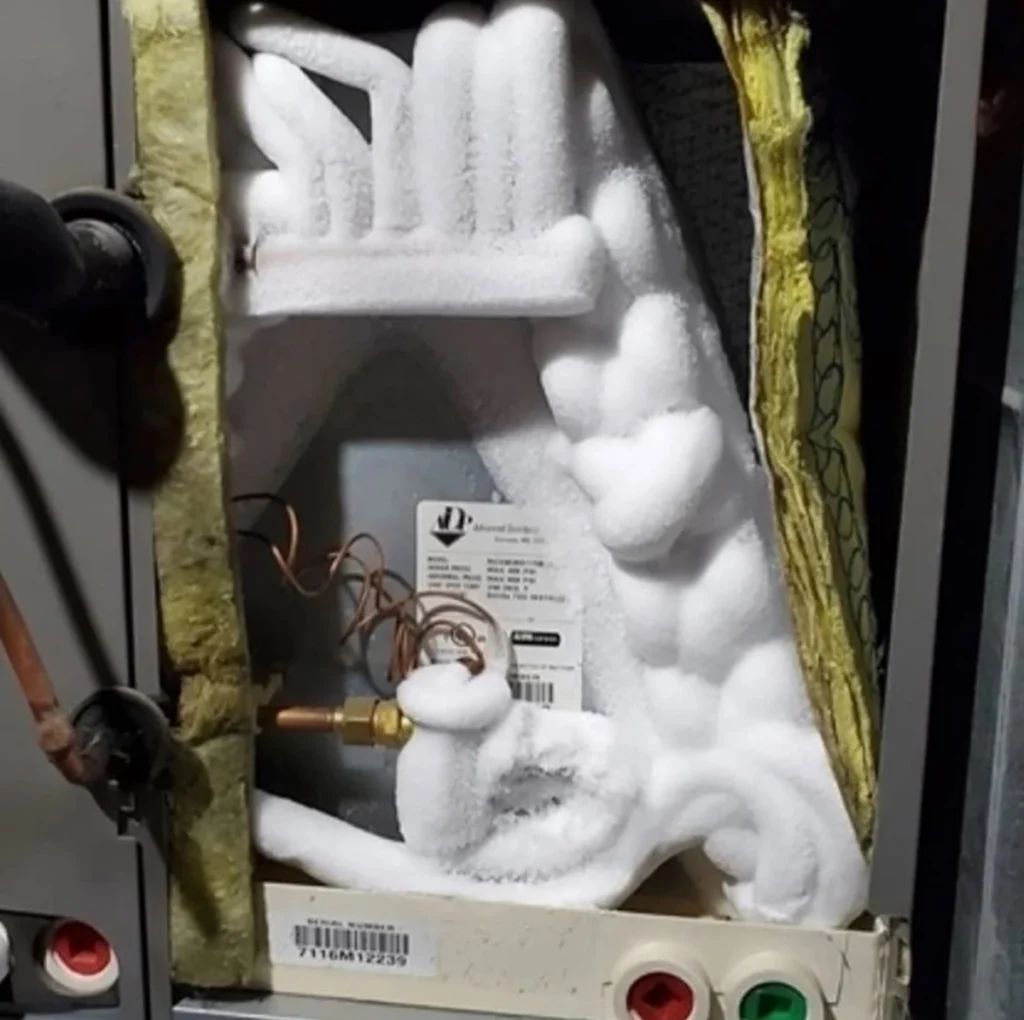
You’ll notice the symptoms quickly. Rooms stay warm even when the unit runs constantly. Electric bills climb as the compressor works overtime. Sometimes ice forms on the refrigerant lines because the coil isn’t picking up enough heat. Damaged coils reduce your system’s ability to cool and force it to run longer, raising energy costs and shortening equipment life. The longer bent fins go unaddressed, the more strain you place on the compressor and blower motor. Those components are far more difficult to replace than straightening a few fins.
When we respond to airflow complaints in Raceland, one of the first things we inspect is fin condition. Even a small section of flattened fins can choke performance. We will assess whether the fins can be carefully straightened with a specialized fin comb. We’ll also determine whether the damage has progressed to a point where the coil itself is at risk. Call Good Call so we can restore proper airflow before the problem cascades into a compressor failure.
What Actually Bends Evaporator Coil Fins in the First Place
Evaporator coil fins are thin aluminum sheets spaced just millimeters apart. That tight spacing makes them vulnerable. The most common cause we see in Raceland is physical contact during routine filter changes. Homeowners slide a filter in at the wrong angle or brush the coil with a vacuum attachment. A dozen fins can bend in an instant. Even a light bump can fold them over. Once they overlap or crimp, they block the narrow channels where air needs to flow.
Outdoor events can reach the indoor coil, too. Hail or wind-blown debris sometimes damages the condenser coil outside. The same storm can send vibrations or pressure waves through the ductwork. Those forces can flex and crease the evaporator fins inside. We’ve also responded to homes where a pressure surge buckled a section of fins. A blower motor cycling on too fast or a return duct collapsing can cause that surge. Bent fins restrict airflow across coils, reducing heat-exchange efficiency and forcing the compressor to work harder, which accelerates wear across the entire system.
Cleaning mistakes are another frequent culprit. Pressure washers, stiff brushes, or even vigorous spray bottles can fold fins if the nozzle gets too close. Some homeowners use a garden hose on the outdoor unit and don’t realize the indoor coil shares the same delicate construction. When we inspect a system with reduced airflow, we check the fin condition on both coils. We look for signs of impact or corrosion that weakens the metal. We trace back to whether a recent service visit, storm, or maintenance attempt introduced the damage. Knowing the upstream event helps us decide whether a fin comb can restore airflow or whether deeper damage requires coil replacement.
Signs Your Fins Are Bent and Airflow Is Already Suffering
You’ll notice the first signs at the vents themselves. When bent evaporator coil fins block air, your system can’t perform the way it should. Here are the most common warning signs:
- Airflow at vents feels weaker than usual
- Your home takes longer to cool down
- Some rooms never reach the set temperature
- Ice forms on the copper refrigerant lines near the indoor unit
- Short cycling where the system shuts down early then restarts minutes later
- Indoor humidity climbs and your home feels sticky
- Energy bills rise noticeably as the blower works harder
Restricted airflow causes the coil to overcool and freeze moisture from the air. When airflow drops, your system overheats and shuts down in a jerky on-off pattern. The coil can’t remove moisture efficiently, so humidity builds even when the thermostat shows a cool temperature.
When we respond to these symptoms in Raceland, we inspect the evaporator coil fins directly. We confirm the restriction and check for the upstream causes. Blower wear, filter neglect, or installation issues may have bent them in the first place.
When to Call Good Call About Evaporator Coil Fins in Raceland
If you notice weak airflow from your vents even after changing the filter, ice forming on the indoor coil or refrigerant lines, or cooling bills climbing without a change in how you use the system, bent evaporator coil fins may be restricting airflow. These symptoms usually start mild. One room may be warmer than the rest. Run times grow longer. But they accelerate quickly. As airflow drops, the compressor works harder to maintain temperature. It begins overheating and wearing out internal components. The longer the restriction remains, the higher the chance of a complete compressor failure or refrigerant leak. What starts as straightforward coil service can turn into a full-system emergency.
We serve Raceland and surrounding areas. We can inspect your coil, measure airflow, and determine whether bent fins, refrigerant pressure, or another cause is behind the symptoms. Early diagnosis protects the compressor and keeps your system running efficiently through the summer heat. To recap: bent fins reduce airflow, overwork the compressor, and lead to ice, higher bills, and costly breakdowns. Addressing the problem now prevents further damage.
Learn about our service guarantees. We’re local, ready to help, and here to keep your cooling reliable. Fill out our online form or give us a call, and we’ll get your system back on track.
Frequently Asked Questions
What causes evaporator coil fins bent reducing airflow in Raceland, LA?
Evaporator coil fins bend when something physically contacts them, improper filter changes, vacuum attachments brushing the coil, pressure washing too close, or hail and debris reaching the unit. Once those thin aluminum fins fold over or crimp together, air can’t flow through the narrow gaps, choking performance and forcing your compressor to strain.
Can bent evaporator coil fins be straightened, or do I need a new coil?
Bent fins can often be straightened with a specialized fin comb if the damage is shallow and localized. When fins are severely crushed, corroded, or the underlying coil tubes are damaged, replacement is safer. We will inspect the extent of the damage and check for upstream causes before recommending straightening or replacement.
How do I know if evaporator coil fins bent reducing airflow in Raceland, LA are my problem?
You’ll notice weak airflow from vents, rooms that won’t cool, ice forming on refrigerant lines, or short cycling where the system stops and starts repeatedly. Higher energy bills and rising indoor humidity are also clear signs. We inspect the coil directly and measure airflow to confirm bent fins are the restriction.
How often should evaporator coil fins be inspected to prevent airflow problems?
Annual professional maintenance before cooling season is the best practice, we inspect fins, clean the coil, and catch damage early before it chokes airflow. Regular filter changes and avoiding rough contact during service also protect fins. Make the Good Call to schedule your tune-up and keep airflow strong.