
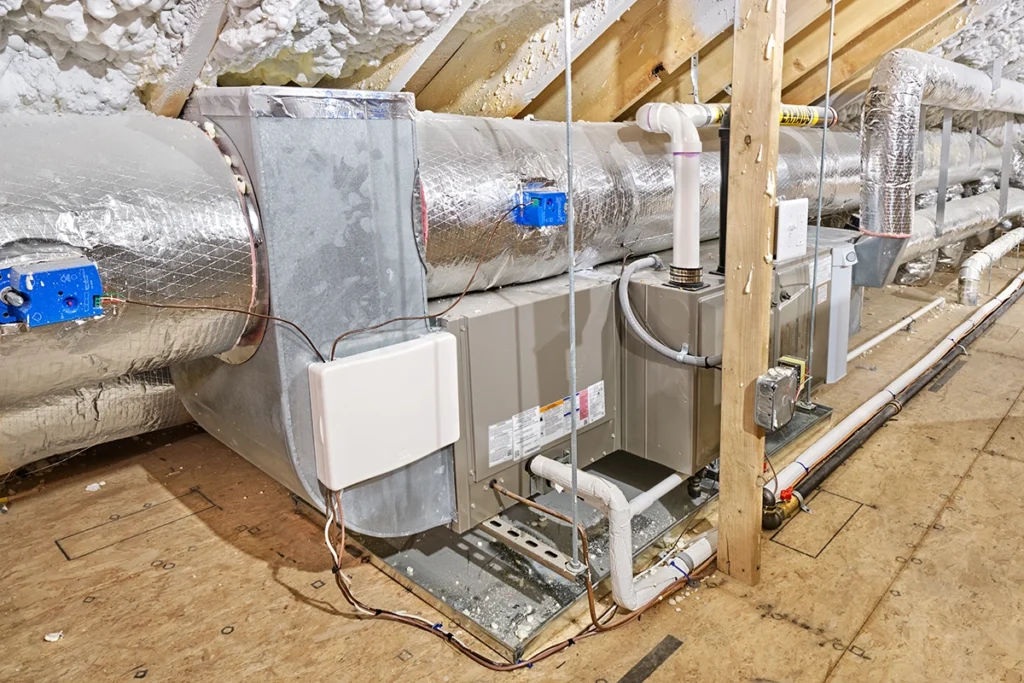
An air handler making a loud grinding noise in Houma LA isn’t something you should ignore. That sound usually means a motor bearing is failing, a blower wheel is rubbing metal, or something’s come loose inside the unit. Left unchecked, a grinding air handler can seize up completely, leaving you without AC in the middle of Gulf Coast summer. The good news? Most grinding problems are fixable once a professional pinpoints the source. Waiting almost always makes the repair more involved.
Why Your Air Handler Is Making a Loud Grinding Noise
When you hear a loud grinding noise coming from your air handler in Houma, your system is telling you something important. That harsh, metallic sound usually signals friction between components that should glide smoothly past each other. The grinding typically comes from worn or failing bearings inside the blower motor. It can also result from loose mounting hardware or damaged fan blades scraping against the housing. According to the Department of Energy, contaminants in HVAC refrigeration systems can cause valve breakage, motor burnout, and bearing and seal failure.
Your air handler is the indoor component of your HVAC system that circulates conditioned air through your home. Inside, a blower motor spins a fan wheel at high speed, hour after hour. Over time, the bearings that support the motor shaft can lose lubrication or wear down. When that happens, metal-on-metal contact creates the grinding sound you’re hearing. Sometimes the fan wheel itself loosens on its shaft or accumulates debris that throws it off balance, striking the interior walls of the cabinet.
The noise is rarely just an annoyance. A grinding motor can overheat, seize completely, or damage other parts of the system if it keeps running. What starts as a worn bearing can quickly turn into a full motor replacement if left unchecked. When we respond to these calls, our first step is to shut down the system. Then we inspect the blower assembly, motor bearings, and mounting hardware.
Common Causes of Grinding Sounds in Air Handlers
When you hear a loud grinding noise coming from your air handler, the most common culprit is a motor bearing that has begun to fail. The motor inside your air handler spins thousands of times every day. It’s supported by small bearings that allow smooth, quiet rotation. Over time, these bearings wear down from friction and heat. They lose lubrication and begin to drag metal-on-metal. That grinding sound is the motor struggling to turn as the bearing seizes. If the bearing fails completely, the motor will lock up and stop spinning altogether. Your home will be left without cooling or heating until we replace the damaged component.
Another frequent cause is a loose or damaged blower wheel, the fan assembly that moves air through your ductwork. If the blower wheel’s set screw loosens, the wheel can wobble or scrape against the housing as it spins. Debris can also strike the wheel and bend a blade, causing the same problem. You may notice the grinding gets louder when the system first starts or when airflow increases to meet thermostat demand. A loose blower wheel can also damage the motor shaft and housing if it continues to run unchecked, turning one failed part into a larger repair.
Less often, we find that debris has entered the blower compartment. Small objects, building materials from construction, or even rodent nests can interfere with the wheel’s rotation. In some cases, a worn motor mount allows the entire motor assembly to shift out of alignment. Parts then contact surfaces they should clear by a fraction of an inch. When we respond to an air handler making loud grinding noise in Houma LA, we open the blower compartment first. We inspect the motor bearings for play and heat, check the blower wheel for tightness and balance, and identify any foreign objects or alignment issues before recommending the safest repair path.
What to Check Before Calling a Technician
Before we come out to diagnose that grinding noise from your air handler, a few quick observations can help rule out simpler issues. They can also give us valuable information when we arrive. First, turn off your system at the thermostat to prevent further damage, especially if the noise is loud or accompanied by burning smells. Then, check whether your air filter is visibly clogged or dirty. A severely restricted filter can strain the blower motor and sometimes contribute to unusual sounds as components work harder than designed.
Next, check your home’s electrical panel for a tripped breaker. If the circuit has tripped and reset multiple times, that’s a sign of underlying electrical or motor problem that needs professional attention. Finally, listen closely to where the grinding is coming from. Note whether it’s in the blower compartment, the motor itself, or near the ductwork. Also observe whether the sound is constant or intermittent. These details help us pinpoint the cause faster once we’re on site.
If the noise persists or if you’re uncertain about what you’re observing, contact Good Call for a thorough inspection. Our experienced HVAC team will perform a complete repair.
Schedule Your Air Handler Repair in Houma
When your air handler starts making a loud grinding noise, waiting only increases the risk of a complete breakdown or more extensive damage. We understand how disruptive these sounds can be, and we’re here to help Houma homeowners get back to quiet, reliable comfort. We’ll send an experienced technician to your home to inspect the air handler. Our team will diagnose the exact source of the noise and explain what’s needed to restore safe operation.
During the visit, we’ll examine the blower motor and its bearings. We’ll also check the blower wheel for damage or debris, inspect the mounting hardware, and test the electrical connections. You’ll receive a clear explanation of what we found and a detailed estimate before any repair work begins. Our goal is to fix the problem correctly the first time, so you won’t have to worry about the same issue resurfacing a few weeks later. If you’re dealing with an air handler making loud grinding noise in Houma LA, professional diagnosis is the fastest path to restoring comfort and preventing costly breakdowns.
You don’t have to figure this out on your own or live with that unsettling grinding sound. Scheduling an inspection is straightforward, and we’ll work with your schedule to find a time that fits. Reach out to Good Call today to book your air handler repair visit in Houma. We’re ready to assess your system, answer your questions, and get your home’s comfort back on track.
Frequently Asked Questions
What causes an air handler making loud grinding noise in Houma LA?
A grinding noise from your air handler usually means motor bearings are failing. It can also signal that a blower wheel is loose or rubbing against the housing. Sometimes debris has entered the blower compartment. These components spin at high speed, so any friction or misalignment creates that harsh, metallic sound. Shut down the system and call Good Call for an inspection before it escalates.
Can I keep running my air handler if it’s making a loud grinding noise?
No, you should turn off your system right away. Running an air handler with a grinding noise can cause the motor to seize. It may also damage the blower wheel or crack the housing. What starts as worn bearing can quickly turn into a full motor replacement can quickly become a much larger problem. We can assess the damage once we inspect the unit.
How do technicians fix an air handler making a grinding noise in Houma LA?
We open the blower compartment and inspect the motor bearings first. Then we check the blower wheel for looseness or damage and look for debris or misalignment. Depending on what we find, the repair may involve replacing bearings. We might also need to tighten or replace the blower wheel, or replace the motor assembly. You’ll receive a detailed estimate before we start work.
What should I check before calling for air handler grinding noise repair?
Turn off your system at the thermostat first. Then check whether the air filter appears heavily clogged and look for tripped breakers. Note where the grinding is coming from and whether it’s constant or intermittent. These observations give us helpful diagnostic information when we arrive. They sometimes reveal contributors to motor strain that we can address quickly.